
Tree Trimming Timing and Benefits
Tree trimmings involve removing dead, damaged, or overgrown branches to promote healthy growth and maintain the tree's shape. Proper timing ensures optimal health benefits and minimizes stress on the tree.
Late winter or early spring before new growth begins is ideal for most tree species. This timing allows wounds to heal quickly and reduces the risk of disease.
Trimming at the right time improves tree health, enhances safety by removing hazardous branches, and encourages better fruit or flower production.
Broken, diseased, or dead branches should be removed as soon as identified to prevent further damage and potential hazards.
Avoid trimming during peak growing seasons like late spring and summer, as it can stress the tree and interfere with natural growth cycles.
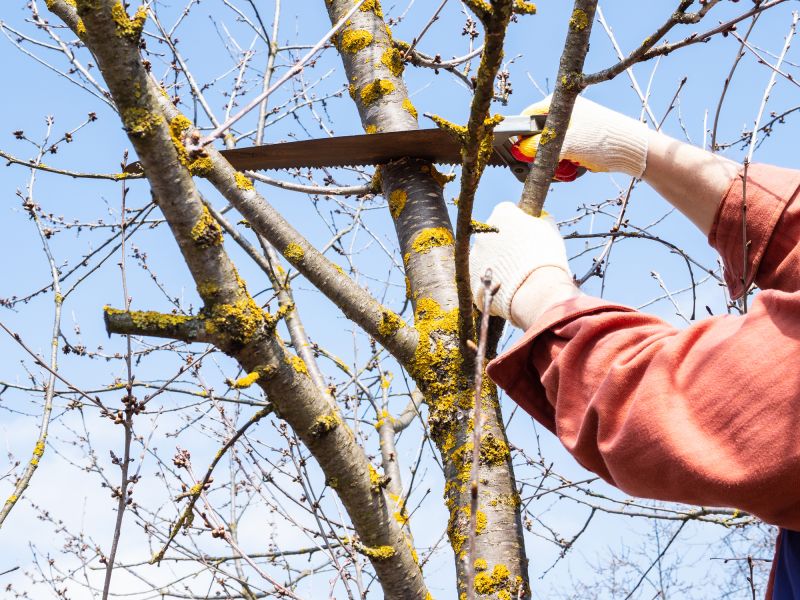
Pruning before bud break encourages healthy growth and reduces disease risk.
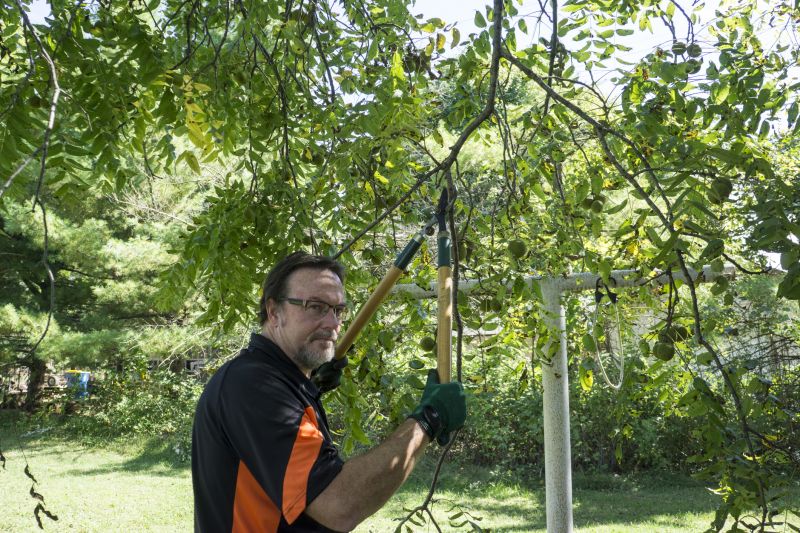
Ideal for most trees, allowing for clear visibility and less stress on foliage.
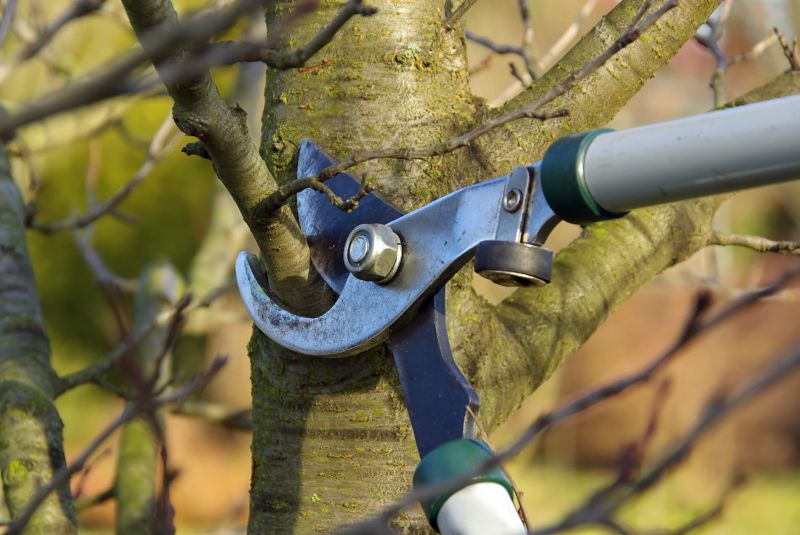
Used for shaping and removing overgrowth, but should be done carefully to avoid stress.
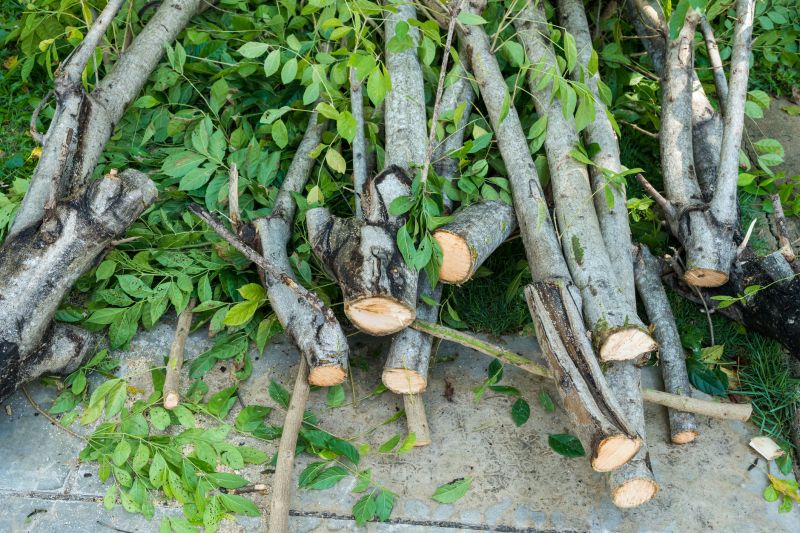
Limited trimming to avoid stimulating new growth before winter dormancy.
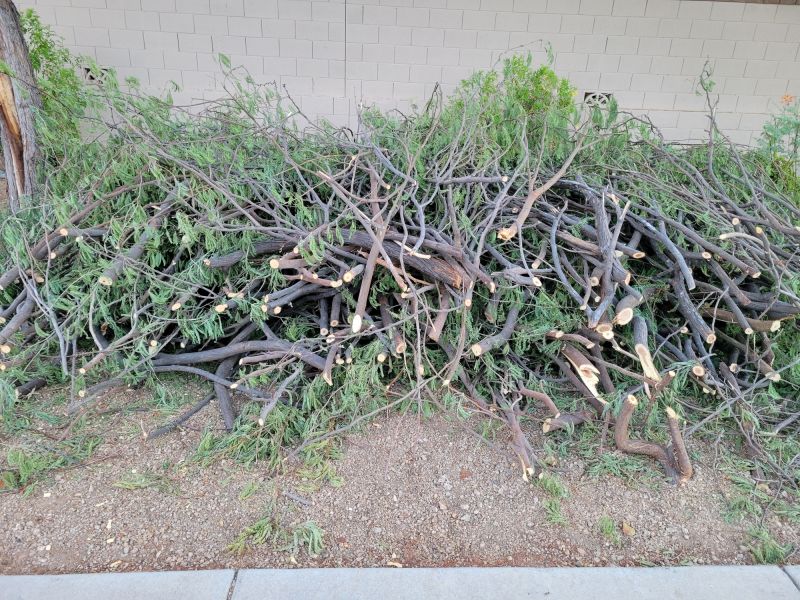
Ways to make Tree Trimmings work in tight or awkward layouts.
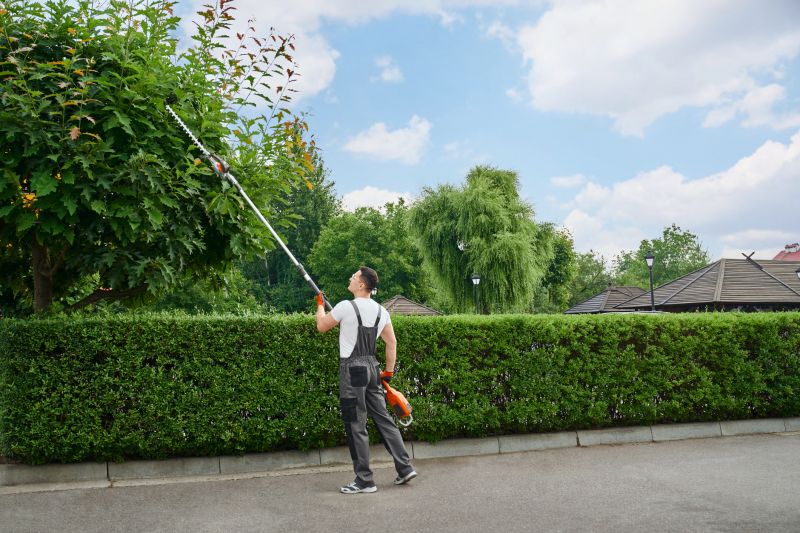
Popular materials for Tree Trimmings and why they hold up over time.
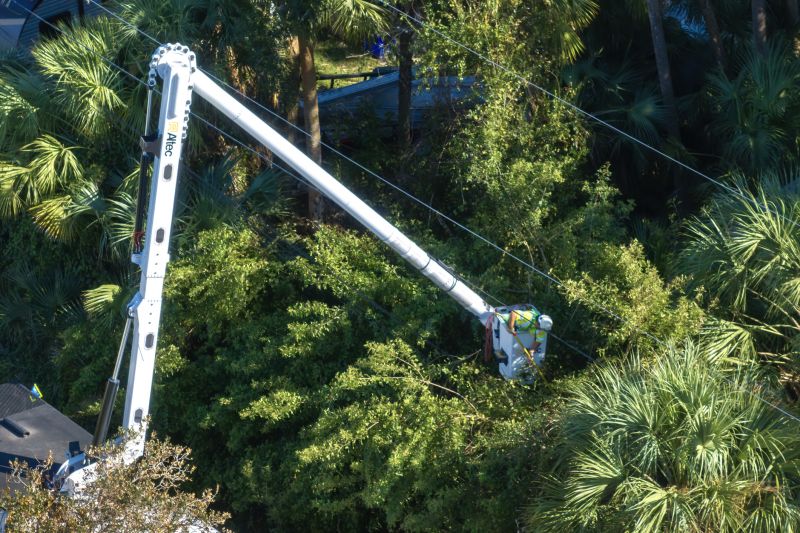
Simple add-ons that improve Tree Trimmings without blowing the budget.
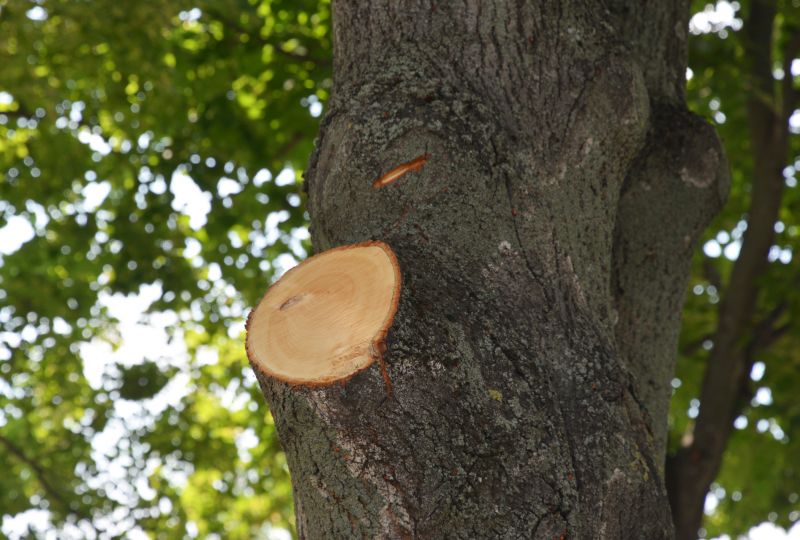
High-end options that actually feel worth it for Tree Trimmings.
| Season | Best Practices |
|---|---|
| Winter | Prune before sap flow begins, typically late winter. |
| Spring | Remove dead or damaged branches early in the season. |
| Summer | Shape trees carefully, avoid heavy pruning during peak growth. |
| Fall | Minimal trimming; focus on safety and removal of hazardous branches. |
| Additional Tips | Always use clean tools and avoid pruning during wet weather to prevent disease. |
Understanding the optimal timing for tree trimmings can significantly influence the health and safety of trees. Properly timed pruning supports growth, reduces risks, and maintains aesthetic appeal.
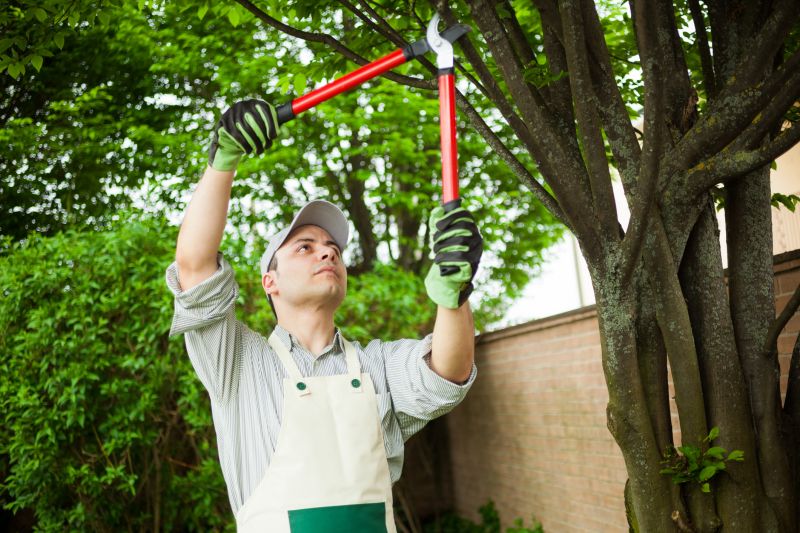
Proper trimming encourages vigorous and balanced growth.
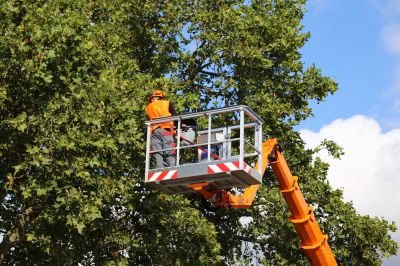
Timely trimming prevents potential hazards from falling branches.
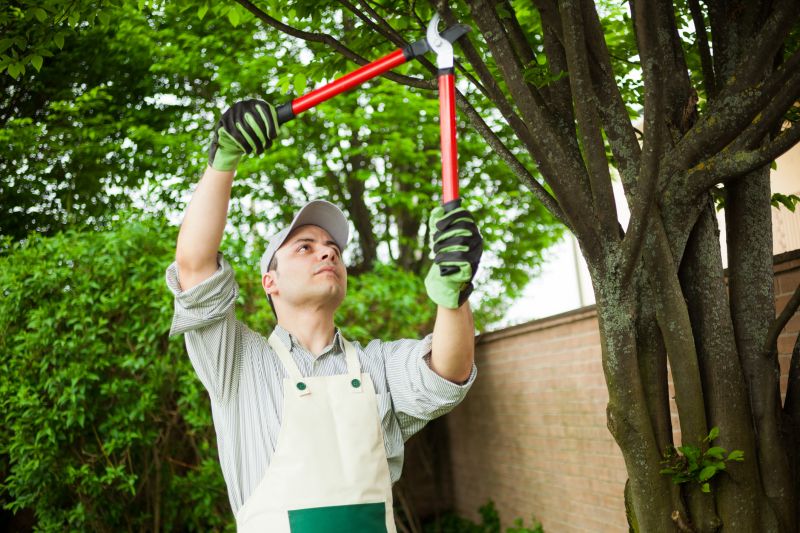
Adjust trimming practices according to seasonal needs.
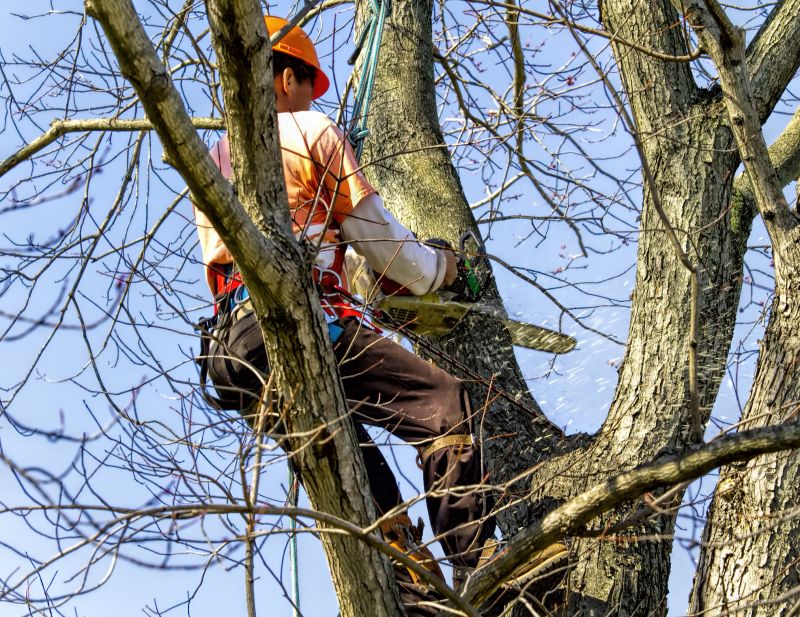
Expert pruning ensures safety and proper technique.
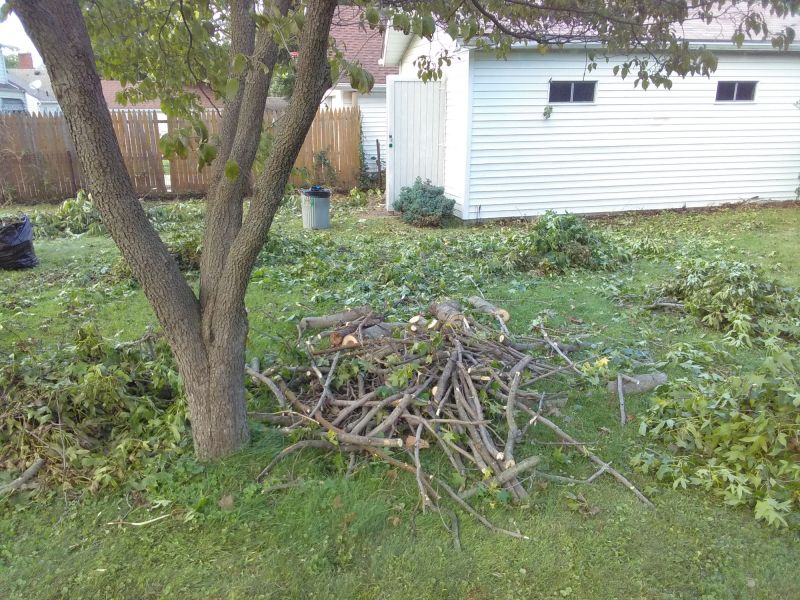
Finishes and colors that play nicely with Tree Trimmings.

Little measurements that prevent headaches on Tree Trimmings day.
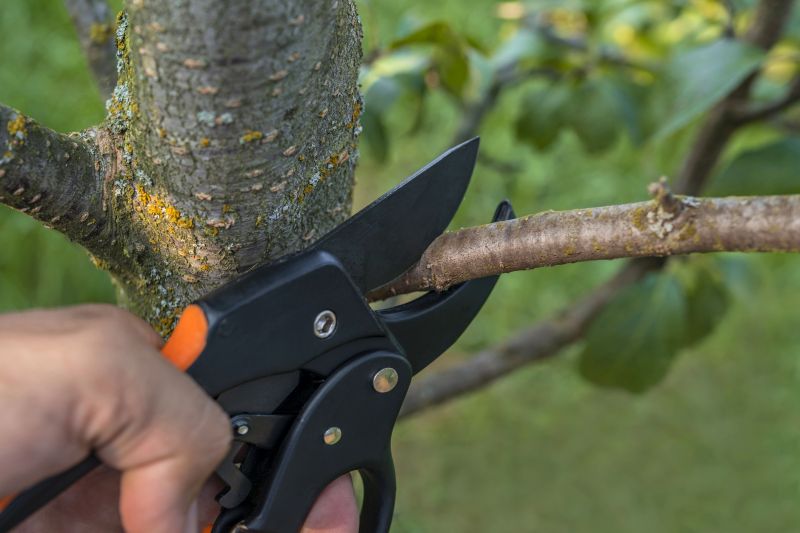
A 60-second routine that keeps Tree Trimmings looking new.
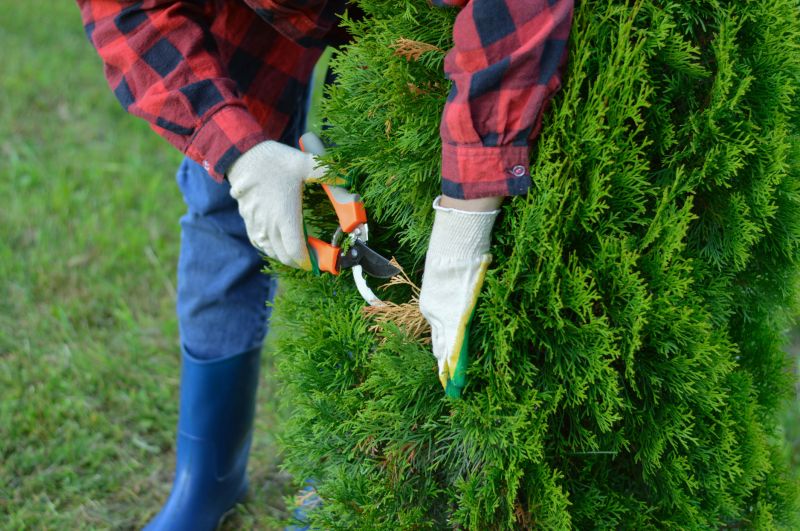
A frequent mistake in Tree Trimmings and how to dodge it.
Interested in scheduling tree trimmings? Filling out the contact form can connect property owners with experienced professionals to ensure proper care and timing for trees.